Tantra is an ancient spiritual system originating in India, with roots dating back over a thousand years.
Unlike many spiritual paths, Tantra embraces the body and the world we are incarnated in as essential vehicles for transformation. In the heart of Tantra lies the recognition of the divine in all aspects of existence—seen as the godly union of masculine and feminine universal principles.
The Tantra tradition has preserved the teachings through oral transmission and sacred scriptures known as āgamas and tantras.Practices often include meditation, mantra recitation, yantra visualization, breath control, and ritual worship of deities. Tantra emphasizes direct experience and inner realization over mere intellectual understanding.
Its methods seek to awaken kundalini energy, leading practitioners to expanded their ordinary state of consciousness from finite to infinite. Ultimately, traditional Tantra guides seekers toward the realization of oneness with the divine and liberation from duality.
Explore here the different branches of the different Tantra tradition!
The Trika system
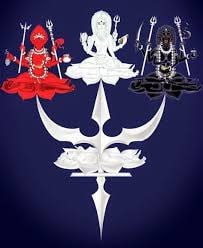
The Trika system is a profound non-dual Śaiva tradition that teaches the unity of all existence as the dynamic play of consciousness. Its name, meaning “threefold,” refers to key triads such as Śiva, Śakti, and the individual soul—or will, knowledge, and action. Trika emphasizes that the ultimate reality is Paramaśiva, who manifests the world through his own free will (svātantrya). The goal for the practitioner is to awaken to their true identity as pure consciousness. This tradition was systematized by great masters like Abhinavagupta and Utpaladeva, who revealed a path to liberation grounded in both knowledge and direct experience.
Kaula tradition
The Kaula tradition is a tantric lineage that emphasizes direct experience, embodiment, and the sacredness of everyday life. It teaches that liberation is not achieved by renouncing the world, but by fully entering it with awareness and reverence. Kaula practitioners honor both Shiva and Shakti, recognizing their inseparable unity within the human body and the cosmos.
Through ritual, mantra, and the transmission of energy within the lineage, Kaula offers a path of inner alchemy and awakening. At its core, the tradition is a celebration of sacred presence, non-duality, and the divine unfolding in all aspects of life.
Pratyabhijñā tradition
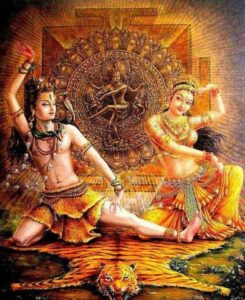
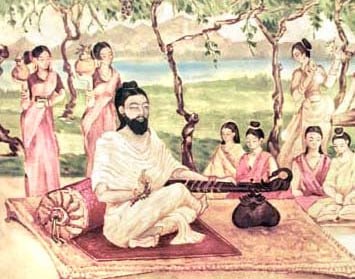
The Pratyabhijñā tradition is a school of non-dual Shaiva Tantra that emphasizes recognition (pratyabhijñā) of one’s true nature as Śiva, the absolute consciousness. Rather than striving to attain something new, it teaches that liberation is the remembrance of the divine Self already present within. Founded by Utpaladeva and systematized by Abhinavagupta, this tradition blends logic, philosophy, and spiritual insight. It holds that the universe is a manifestation of divine will (svātantrya)—a play of consciousness expressing itself in infinite forms. Through study, contemplation, and direct experience, the seeker awakens to their identity with the supreme, all-pervading reality.
The krama tradition
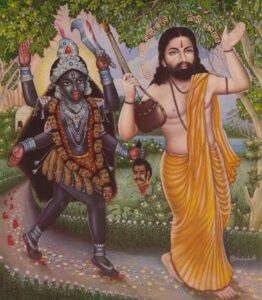
The Krama system is a non-dual tantric tradition known for its emphasis on the direct, sequential unfolding (krama) of consciousness. It focuses on the worship of the Divine Feminine, such as Kālī, as the embodiment of time and transformation. Rather than relying on elaborate rituals, Krama emphasizes inner experience, spontaneity, and the transcendence of linear thought. Its goal is the immediate realization of the supreme state Reality, beyond all conceptual frameworks. Krama views the dissolution of the ego and merging with the infinite as a dynamic, step-by-step process culminating in radical freedom.
Shiva and His hypostases
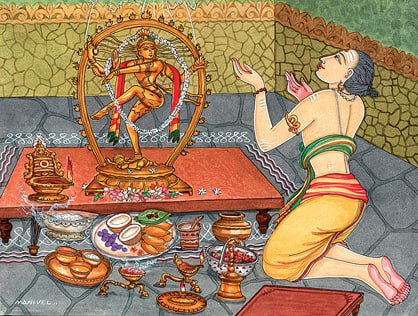
Śiva, in the Tantric tradition, is the supreme, formless consciousness—the source and substance of all that exists. He is not merely a deity, but the ultimate reality (Paramashiva), beyond time, space, and duality. Through his various hypostases, Śiva expresses the Supreme Reality and personifies the different faces of the Divine.
Realization in Tantra means recognizing oneself as that very Śiva, both transcendent and immanent, still and active, one and many.
The Mahavidya tradition
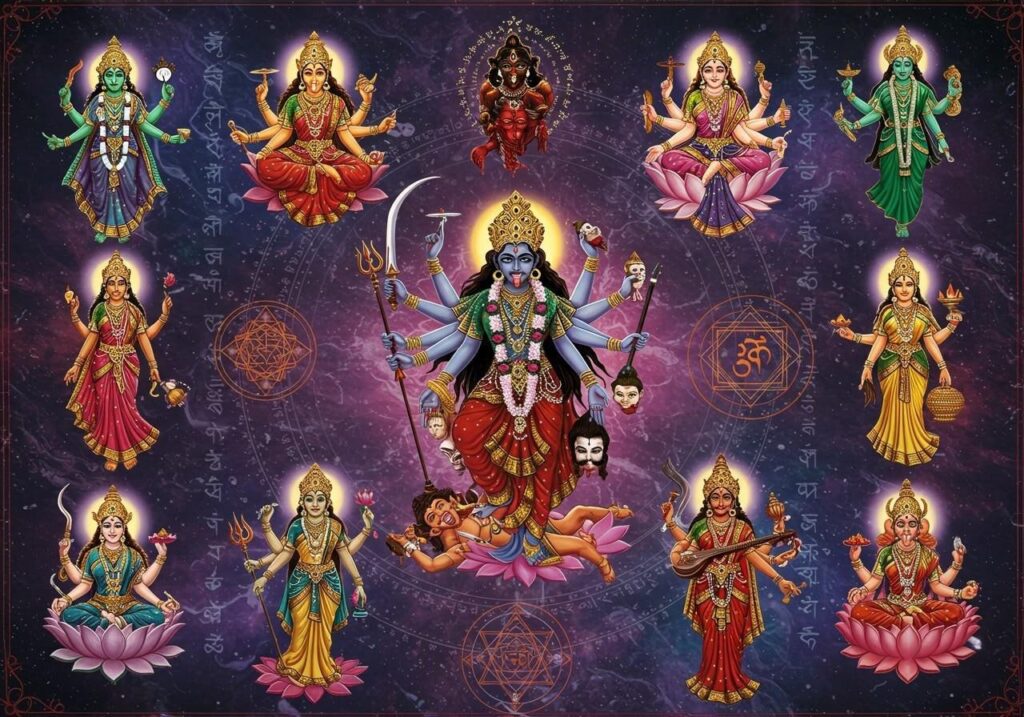
The Mahāvidyā tradition is a powerful stream of Tantric Shaktism centered around ten forms of the Divine Mother,Mahashakti, each embodying a unique aspect of ultimate reality. These ten Macrocosmic powers: Kālī, Tārā, Tripurasundarī, Bhuvaneśvarī, Chinnamastā, Bhairavī, Dhūmāvatī, Bagalāmukhī, Mātangī and Kamalātmika represent the full spectrum of universal energy.
Rather than seeing the divine as distant, the Mahāvidyās reveal her as immanent, intimate, and accessible through meditation, ritual, mantra, and devotion. Each goddess serves as both a spiritual archetype and a path to liberation, guiding the practitioner through layers of illusion toward direct realization.